
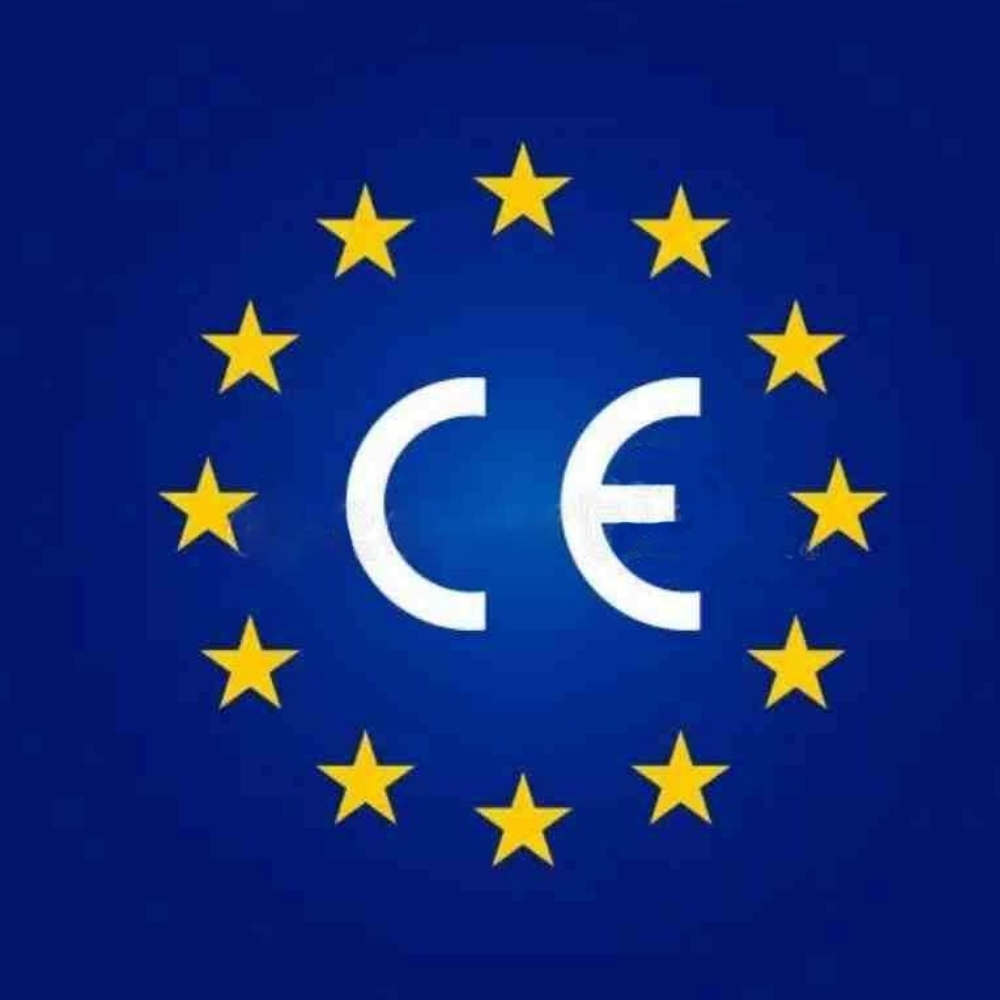
Compliance with the European Market: CE Marking
The CE marking is a conformity mark indicating that products are manufactured in compliance with European Union legislation and meet the relevant health, safety, and environmental protection requirements. Rather than being a quality indicator, this mark expresses the product’s compliance with the defined technical regulations. It plays a critical role in ensuring the free movement of products within the European Economic Area.
Products bearing the CE marking can be placed on the market in European Union countries without facing an additional technical barrier. This provides a significant commercial advantage for manufacturers while also enabling consumers to access safe products. The CE marking shows that the product has been tested, assessed, and that the required technical record structure has been prepared in accordance with the relevant directives.
Compliance with European Standards
The CE marking provides a reliable framework for both manufacturers and consumers by demonstrating that products comply with European Union technical legislation.
Products covered by the CE marking include a broad range of product groups such as machinery equipment, electronic devices, construction materials, medical devices, and personal protective equipment. Different directives and standards may apply to each product group. For this reason, it is highly important for manufacturers to correctly determine the legislation applicable to their products.
The CE marking process begins with conducting a risk analysis of the product, determining the conformity assessment method, and carrying out the required tests. During this process, a technical compliance set is prepared and it is verified that the product meets the relevant requirements. When necessary, notified bodies are included in the process to carry out an independent assessment.
The CE marking must maintain its validity not only at the stage when the product is placed on the market, but also throughout the product’s service life. Therefore, manufacturers must continuously monitor product performance and safety and make updates when necessary.
In addition, the CE marking also brings legal responsibilities for manufacturers. Risks and sanctions that may arise if the product does not comply with the relevant standards are the responsibility of the manufacturer. For this reason, carrying out the processes accurately and completely is a critical requirement.
The CE marking is considered an indicator of reliability not only for the European market but also in international markets. This is an important factor that increases the competitiveness of businesses on a global scale.
Preparing a technical compliance set within the scope of CE marking is one of the most important stages of the process. This set consists of a comprehensive record structure including product design, materials used, test results, risk analyses, and declarations of conformity. Keeping this structure complete and up to date is of great importance in audit processes.
Product labeling and marking processes are also an important part of CE conformity. The CE marking must be placed on the product in a visible, legible, and indelible manner. In addition, user manuals and safety instructions provided with the product must also be prepared in accordance with the relevant legislation.
The use of harmonized standards in the CE marking process is an important factor that facilitates conformity assessment. These standards ensure that products meet certain technical requirements and guide manufacturers. In this way, processes can be carried out more systematically and quickly.
The CE marking also provides significant assurance in terms of product liability. Products that have undergone conformity assessment carry lower risk in terms of user safety. This helps both manufacturers and distributors manage their responsibilities more clearly.
When entering the European market, the CE marking is considered not only an obligation but also a strategic competitive advantage. Businesses that manufacture in accordance with standards are accepted more quickly in the market and build a reliable brand image.
Production in compliance with the CE marking enables businesses to meet legal requirements and gain a reliable position in the international market.
This system forms the basis of a sustainable production approach in terms of product safety and regulatory compliance.
CE Conformity Assessment Process and Technical Requirements
The foundation of the CE marking process is formed by conformity assessment activities. This process covers the systematic analysis of whether the product complies with the relevant European Union directives and harmonized standards. Conformity assessment is not only a testing process; it is also a comprehensive management process in which risk analysis, technical record structure, and product safety criteria are handled holistically.
The first step in the conformity assessment process is determining which directive or regulation the product falls under. Different legislation such as the Machinery Directive, Low Voltage Directive, and EMC Directive is applied according to the product type. Determining the correct legislation is critically important for the healthy progress of the process.
Correct Selection of Legislation and Standards
One of the most important steps in the CE conformity process is correctly identifying the directives to which the product is subject. This selection forms the basis of the entire assessment process.
After determining the legislation, a risk analysis is carried out. Potential hazards that the product may create during use are identified, and how these risks will be controlled is planned. This analysis plays a fundamental role in ensuring product safety and forms an important part of the technical compliance set.
Testing and verification processes are carried out within the scope of conformity assessment. The product is tested according to the relevant standards, and its performance and safety are measured. These tests may be carried out by the manufacturer or, when necessary, by accredited laboratories or notified bodies.
In some product groups, the involvement of notified bodies in the process is mandatory. These bodies ensure that the product is assessed independently and perform conformity verification. This is an important factor that increases reliability, especially for products in high-risk groups.
Preparing the technical compliance set is an indispensable part of the conformity assessment process. This set includes product design, technical drawings, standards used, test results, risk analyses, and declarations of conformity. The technical compliance set is the primary record structure proving the product’s compliance with legislation.
In addition, the EU Declaration of Conformity prepared by the manufacturer officially declares that the product meets all relevant requirements. This declaration must be provided with the product and submitted to competent authorities when necessary.
Ensuring that the record structure is accurate and complete in the conformity assessment process is of great importance in audits. An incomplete or incorrect record structure may prevent the product from being placed on the market and may lead to legal sanctions.
The CE conformity assessment process guarantees product safety while also serving as an important tool that increases manufacturers’ competitiveness in the international market.
This systematic structure supports a sustainable quality approach by ensuring that products are developed in accordance with standards and placed on the market safely.
CE Technical Compliance Set and Record Management
In the CE marking process, the technical compliance set is the most critical record set proving the product’s compliance with the relevant European Union directives. The technical compliance set covers all technical and legal information, starting from the product design stage through testing processes, risk analyses, and the declaration of conformity. This structure is not merely an archive, but also a systematic indicator of product safety and conformity.
The technical compliance set includes the general description of the product, technical drawings, materials used, component lists, and details regarding production processes. It also contains information such as which standards the product was manufactured according to, which tests it underwent, and which risks were assessed. This comprehensive structure clearly and quickly demonstrates the product’s conformity during audit processes.
Comprehensive and Auditable Record Structure
The technical compliance set provides a detailed record structure covering the entire life cycle of the product. This structure creates a critical reference in terms of both legal compliance and product safety.
Risk analysis records are one of the most important components of the technical compliance set. Potential risks that the product may create during use are analyzed in detail, and how these risks are controlled is verified. This approach provides a proactive management model aimed at ensuring user safety.
Test and verification reports are also an important part of the technical compliance set. These reports, which verify the performance and safety of the product, serve as strong evidence of compliance with the relevant standards. Conducting tests in accredited laboratories increases the reliability of the records.
User manuals and safety instructions are other important elements that must be included within the scope of the technical compliance set. These records are prepared to ensure that the product is used correctly and safely. In addition, this information must be provided in the user’s language and in an understandable manner.
The EU Declaration of Conformity is considered a complementary part of the technical compliance set. This declaration, prepared by the manufacturer, officially states that the product meets all relevant regulatory requirements. This declaration is mandatory for placing the product on the market.
Keeping the technical compliance set for a certain period is a legal obligation. Generally, these records must be retained for at least 10 years from the date the product is placed on the market. This enables retrospective review in possible audits.
It is also highly important to keep the technical compliance set up to date. The record structure must be regularly revised in line with design changes made to the product, new test results, or updated standards.
Effective record management facilitates audit processes for businesses while also contributing to the minimization of legal risks.
This structure creates a strong system infrastructure that supports the placing of products on the market in a safe, traceable, and standards-compliant manner.
CE Marking, Labeling Rules, and Traceability
In the CE marking process, labeling and traceability are among the fundamental elements that sustainably prove the product’s compliance with legislation. Markings on the product are more than just a visual symbol; they show which standards the product has been manufactured in accordance with and which responsibility mechanisms it is subject to. Therefore, accurate and complete execution of labeling processes is highly important.
The CE marking must be placed on the product in a visible, legible, and indelible manner. The size, proportions, and placement of the mark must comply with the defined rules. In addition, manufacturer information, product type, serial number, and, where necessary, the notified body number must also be present on the product together with the CE marking.
Correct and Standards-Compliant Marking
Correct use of the CE marking clearly demonstrates the product’s compliance with legislation. Incorrect marking may lead to serious legal consequences.
User manuals and safety instructions also hold an important place in the product labeling process. These records are prepared to ensure that the product is used safely and should generally be provided in the official language of the country where the product is sold. Clear and understandable user instructions contribute to reducing risks that may arise from user errors.
The traceability system enables products covered by the CE marking to be tracked throughout their life cycle. Information such as which production batch the product comes from, which suppliers were involved in production, and which tests it underwent is recorded. This structure enables fast and effective intervention in situations such as product recalls.
Serial numbers and batch information are among the most important components of the traceability system. Through this information, all processes related to a specific product group can be examined in detail. Thus, in the event of a possible nonconformity, the source of the problem can be quickly identified.
Market surveillance and inspection activities are also of great importance within the scope of CE marking. Competent authorities inspect the conformity of products available on the market and identify situations that violate legislation. These inspections are a critical control mechanism for ensuring consumer safety.
Supporting labeling and traceability processes with digital systems is an important step that increases operational efficiency. Product information can be managed quickly and accurately through barcode, QR code, and database systems.
Distributors and importers also have certain responsibilities in labeling and traceability processes. Ensuring that the product is properly marked and that the required compliance records are available contributes to maintaining safety throughout the supply chain.
An effective labeling and traceability system increases product safety while also strengthening businesses’ legal compliance processes.
This structure supports a sustainable quality and safety approach by ensuring that products are kept under control throughout their life cycle.
Market Surveillance and Legal Responsibilities within the Scope of CE Marking
Placing CE-marked products on the market does not mean that manufacturers’ responsibilities have ended. On the contrary, the product’s conformity must be maintained and monitored throughout the period it remains on the market. In this context, market surveillance and inspection activities are a critical control mechanism that ensures the sustainability of product safety.
Market surveillance is a process carried out by competent public authorities to inspect whether products comply with the relevant legislation. These inspections may be conducted both through routine controls and in line with complaints or risk notifications. The aim is to ensure that consumers have access to safe products and to identify nonconforming products on the market.
Active Inspection and Continuous Control
Market surveillance activities ensure that CE-marked products are continuously controlled and support the safe use of products.
Manufacturers are obliged to monitor the performance and safety of the products they place on the market. In this context, customer feedback, product complaints, and field data should be regularly analyzed. This approach contributes to identifying potential risks at an early stage.
If nonconformity is detected, manufacturers must intervene quickly and effectively. Product recall, corrective actions, and information processes are carried out within this scope. Proper management of these processes is highly important in terms of both legal compliance and brand reliability.
Within the scope of CE marking, not only manufacturers but also importers and distributors bear responsibility. These stakeholders are obliged to check the conformity records of the products they place on the market and cooperate with competent authorities when necessary.
During market surveillance activities, records such as the technical compliance set, declaration of conformity, and test reports may be examined. Therefore, keeping all compliance records up to date and accessible is a critical requirement. An incomplete or incorrect record structure may lead to sanctions.
Under European Union legislation, sanctions such as withdrawal of nonconforming products from the market, suspension of sales, or administrative fines may be applied. This creates serious financial and reputational risks for businesses.
The use of digital monitoring systems makes market surveillance processes more effective. Through product tracking, data analysis, and reporting processes, inspections can be carried out more quickly and accurately.
Effective market surveillance within the scope of CE marking is not only a legal obligation but also an important part of sustainable quality management.
This structure strengthens both consumer trust and the corporate reputation of businesses by ensuring continuous monitoring of product safety.
Corporate Impacts of the CE Marking and Competitive Advantage
For businesses, the CE marking is considered not only a legal obligation but also a strategic tool that supports corporate development. Businesses that manufacture in compliance with European Union legislation achieve a certain standard in terms of product safety and quality, gaining a stronger position in the market. This contributes to creating a reliable brand perception in both local and international markets.
Thanks to the CE marking, the process of entering the European market becomes easier and technical barriers are minimized. This advantage offers a significant growth opportunity, especially for export-oriented businesses. The ability to place products on the market in different countries without retesting or going through additional conformity processes provides significant gains in terms of time and cost.
Strong Competition in the International Market
The CE marking increases competitive advantage and strengthens brand value by enabling businesses to enter the European market quickly and safely.
The CE marking also plays a critical role in building customer trust. Consumers perceive products bearing the CE marking as more reliable and compliant with standards. This directly affects purchasing decisions and contributes to increasing customer satisfaction and loyalty.
When evaluated in terms of corporate processes, the CE conformity process enables businesses to achieve a more disciplined and systematic structure. Practices such as risk analyses, testing processes, and record management allow internal business processes to be carried out in a more controlled manner. This contributes to increased operational efficiency and reduced error rates.
The CE marking also offers a structure that can be integrated with quality management systems. CE conformity processes carried out together with ISO standards enable businesses to handle quality, safety, and environmental management with a holistic approach. This integration provides significant contributions to sustainable growth objectives.
From a financial perspective, the CE marking provides cost advantages in the long term. Designing and manufacturing products in accordance with standards reduces the risks of recalls, returns, and legal sanctions. This helps businesses keep their costs under control.
The CE marking also offers a structure that supports innovation processes. The process of developing products in accordance with standards encourages businesses to produce more innovative solutions. This contributes to technological development and increased competitiveness.
Another important advantage for businesses is the strengthening of brand reputation. Products bearing the CE marking are accepted as an indicator of reliability in the international market. This makes it easier for businesses to establish new collaborations and expand into different markets.
In addition, the CE marking is also an important tool in terms of corporate risk management. Production processes that comply with standards ensure that possible risks are identified in advance and brought under control. This approach contributes to businesses achieving their sustainability goals.
The CE conformity process also creates positive effects in terms of human resources. Employees working according to certain standards increase awareness in business processes and support the development of corporate culture. Training and awareness activities ensure the effective implementation of the system.
A production approach compliant with the CE marking contributes to businesses gaining a stronger position in the global market and increases brand value in the long term.
This structure supports the sustainability of corporate success by ensuring the integrated management of quality, safety, and regulatory compliance.
Risk Management and Product Safety Approach within the Scope of CE Marking
In the CE marking process, risk management is a fundamental building block in ensuring product safety. Identifying, analyzing, and controlling potential risks from the product design stage onward is among the most important requirements of European Union legislation. This approach not only ensures legal compliance but also aims to maximize user safety.
The risk management process begins with a detailed analysis of the product’s usage scenarios. In addition to normal conditions of use, possible misuse scenarios are also evaluated to identify potential hazards. This analysis contributes to taking the necessary measures in product design and minimizing risks.
Proactive Risk Analysis Approach
Risk management in the CE process ensures that potential hazards are identified in advance and brought under control, managing product safety proactively.
In the risk assessment process, hazards are prioritized by analyzing their probability and impact. In this way, critical risks are addressed first and the necessary technical measures are implemented. Design changes, protective systems, and safety components may be introduced within this scope.
Measures taken in terms of product safety are generally addressed in three main stages. First, risks are aimed to be eliminated at the design stage. When this is not possible, technical protection measures are introduced. In the final stage, risks are managed through user information and warning mechanisms.
Risk analysis records prepared within the scope of CE marking form an important part of the technical compliance set. These records present in detail which risks the product contains and which measures have been taken against these risks. This structure enables product safety to be proven during audit processes.
The risk management process is not limited to placing the product on the market. Risk analyses must be updated in line with feedback, field data, and user experiences obtained throughout the product’s service life. This approach is an important part of a continuous improvement culture.
In addition, risk management plays a critical role in helping businesses fulfill their legal responsibilities. In the event of possible accidents or product-related problems, risk analyses and measures taken help the business manage its responsibilities.
Technological developments allow risk management processes to be carried out more effectively. Through simulation software, data analysis tools, and testing technologies, risks can be analyzed more accurately and quickly.
From a corporate perspective, an effective risk management system increases the reliability of businesses and strengthens brand reputation. Businesses that offer safe products gain a stronger position in the market.
Risk management also provides significant advantages in terms of cost control. Detecting possible errors at an early stage significantly reduces recall and corrective action costs.
Effective risk management within the scope of CE marking ensures the sustainability of product safety while also serving as an important factor that increases the competitiveness of businesses.
This structure contributes to long-term corporate success by supporting safe, standards-compliant, and user-oriented product development processes.